
Loading...
Serving Lemon Grove, CA and surrounding areas. (619) 378-2077
Crumbling mortar lets water into your walls, loosens bricks, and gets worse each winter. We remove the old mortar properly, match the mix to your wall, and pack the joints so the repair lasts.
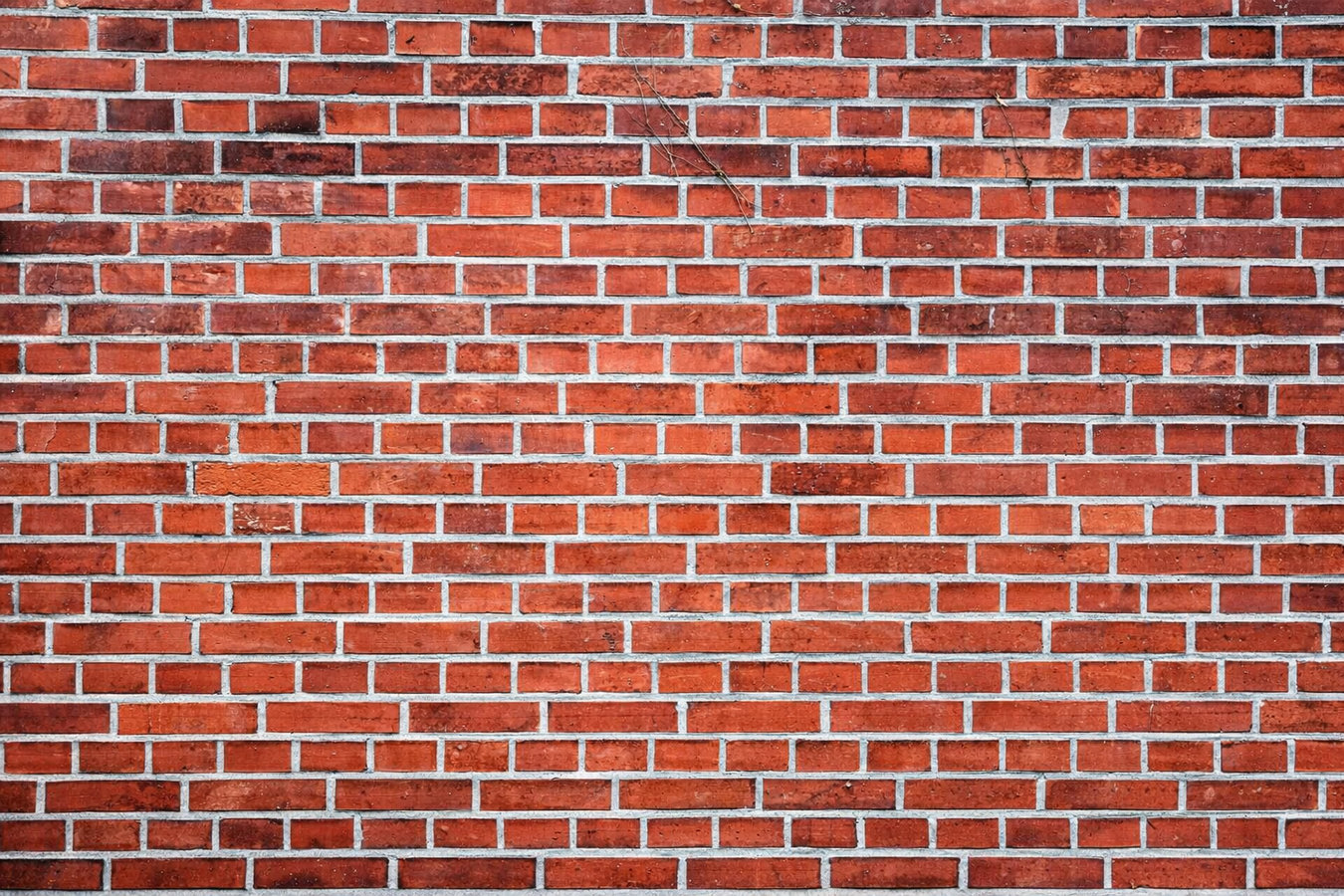
Brick pointing in Lemon Grove is the process of removing old, deteriorated mortar from the joints between bricks and replacing it with fresh mortar matched to the original wall, with most residential jobs - a chimney, a short garden wall, or a section of exterior brick - completed in one to two days.
Lemon Grove has a large share of homes built between the 1920s and 1960s, and mortar from that era is genuinely different from modern mixes - softer, more flexible, and designed to absorb movement rather than resist it. When those joints wear out, the right repair means matching that original character, not replacing it with a hard cement that can crack the bricks over time. If your wall has mortar issues across an entire surface rather than isolated joints, we handle full repoints as well as spot repairs. For brick walls where joints have failed and structure is also compromised, we may recommend foundation repair as a first step before pointing begins.
Walk along the base of any brick wall or chimney and look at the lines between bricks. If the mortar looks sandy, cracked, or has gaps where it has fallen out, pointing work is overdue. You should not be able to push a finger or key into the joint - if you can, the mortar has lost its integrity and is no longer keeping water out.
That powdery white residue on brick walls is called efflorescence. It is caused by water moving through the wall and leaving mineral deposits on the surface. In Lemon Grove, it often appears after the winter rainy season on walls where mortar joints have started to fail. It is a signal that water is getting in somewhere it should not be.
Cracks that travel diagonally along the joints in a stair-step pattern often mean the wall has shifted - something that can happen in Lemon Grove due to the clay-rich soils in parts of San Diego County. These cracks let water in and tend to grow over time. A mason can tell you whether the cracking is cosmetic or structural.
Southern California's winter rain events are infrequent but intense. A brick wall with failing mortar can let water through quickly during a heavy storm. If you notice damp spots, bubbling paint, or dark staining on an interior wall that shares a surface with exterior brick, the mortar joints outside may be the entry point.
Most pointing requests in Lemon Grove fall into a few categories. Chimneys are the most common - they take more direct weather exposure than any other brick surface on a home, and deterioration at the crown and upper courses often goes unnoticed until water gets in. Exterior walls are next, particularly on homes that face south or west and get the most sun and Santa Ana wind exposure. Garden walls and decorative borders round out most of the work we see, where failing joints are loosening individual bricks or letting moisture into raised planters. We also partner with homeowners who need related tuckpointing - a specialized technique that uses contrasting mortar colors to give brick walls a refined, traditional appearance.
The job itself always starts with proper mortar removal - grinding or chiseling out the old material to the correct depth before any new mortar goes in. Shallow pointing patches fail within a few years because they cannot bond to the brick properly. Every job ends with mortar tooled to match the original joint profile, so the repair blends with the surrounding wall rather than standing out as a patch. The Brick Industry Association publishes the technical standards that guide proper joint depth, mortar selection, and curing practices that we follow on every project.
For chimneys that take direct weather exposure - sun, wind, and rain at the top - where deterioration often goes unnoticed until water gets in.
For homes where the mortar joints along an entire wall face have worn down or cracked, requiring systematic removal and replacement.
For decorative walls and garden borders where failing mortar is letting moisture in or causing stones and bricks to loosen.
For walls with isolated damaged areas where only specific sections need attention rather than a full repoint.
Lemon Grove was one of San Diego County's earliest communities, and a significant portion of its housing stock dates to the 1920s through 1960s. Homes from that era used lime-based mortar that is intentionally softer than the brick around it. That flexibility is by design - when the house shifts, the mortar absorbs the stress so the bricks do not crack. If a contractor replaces that soft mortar with a hard modern mix, the dynamic reverses and the bricks take the stress instead. Over a few years, that shows up as cracking in the bricks themselves - a problem that is far more expensive to fix than the mortar job that caused it. Homeowners in National City, CA and La Mesa, CA face the same issue with older housing stock that is common throughout this part of San Diego County.
Lemon Grove also receives most of its roughly 10 to 12 inches of annual rainfall in concentrated bursts during winter storm systems. Brick walls with deteriorated joints are especially vulnerable during those events because water enters quickly and has nowhere to drain. Catching mortar problems before the rainy season is the most practical way to avoid water intrusion, staining, and the more expensive structural repairs that follow. The National Park Service Preservation Brief on repointing is the most authoritative guide available on mortar selection and technique, and it directly addresses the risks of using incompatible mortar on older masonry.
We ask a few questions - what structure needs work, roughly how large the area is, and whether you have noticed specific damage. You will receive a written estimate within one business day of our site visit.
The contractor looks closely at the mortar joints, checks cracking patterns, and assesses how deep the deterioration goes. On older Lemon Grove homes, we also identify the original mortar type so we can match it correctly before mixing anything.
The crew grinds or chisels out old mortar to the required depth - typically about three-quarters of an inch. This is the noisiest phase and produces fine dust near the work area. Shallow patches do not bond well and fall out within a few years, so proper depth matters.
Fresh mortar is packed firmly into each joint with no air pockets, then tooled to match the original wall profile. The crew wipes mortar smears off the brick face before they dry. Fresh mortar needs 24 to 48 hours before getting wet and up to a week to reach full strength.
Written quote within one business day - no obligation, no sales pitch.
(619) 378-2077Many Lemon Grove homes were built with softer, lime-based mortar. Using hard modern cement on an older wall forces stress into the bricks themselves, which can crack them over time. We assess the existing mortar before mixing anything on pre-1970s construction.
One of the most common complaints homeowners have is watching patched mortar fall out within a year. We take time to remove old mortar to the correct depth and match the mix to your wall so the repair bonds properly and holds for 20-plus years.
If you use your fireplace during cooler months, a chimney with crumbling mortar is both a water problem and a safety concern. We inspect and repoint chimneys so they are sealed and ready before fall, when most fireplace use begins.
California requires masonry contractors to hold a state-issued C-29 license. Our license is verifiable in seconds on the California Contractors State License Board website. That credential means we carry insurance and you have real recourse if something goes wrong.
Pointing work that is done right is invisible - the joints look clean, the color blends, and the wall stays dry through years of Lemon Grove weather. That outcome requires taking the time to match the mortar correctly, and it is what separates a repair that holds from one you are paying to redo in a few years.
When stair-step cracking in mortar joints points to movement at the foundation level, structural assessment and repair may be needed before pointing work will hold.
Learn MoreA specialized form of pointing work where two contrasting mortar colors create the appearance of very fine joints on a brick wall.
Learn MoreMortar deterioration does not stop on its own - call now before the next rainy season finds the gaps in your wall.
We perform brick pointing and repointing throughout Lemon Grove and the surrounding East San Diego County communities.