
Loading...
Serving Lemon Grove, CA and surrounding areas. (619) 378-2077
Crumbling mortar joints let water into your walls and loosen your brickwork. We grind out the old material and pack in fresh mortar matched to your home's age and original mix.
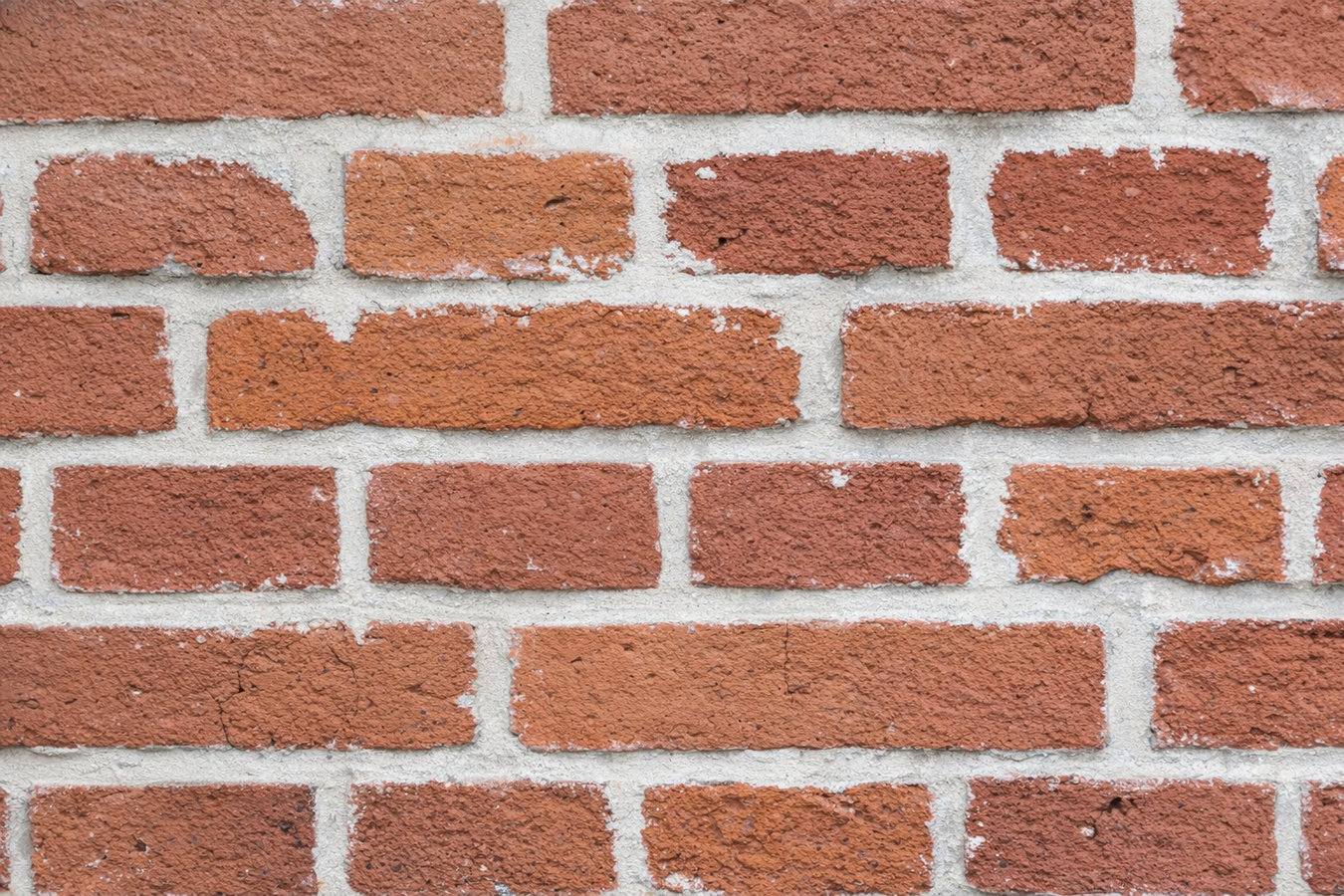
Tuckpointing in Lemon Grove means cutting out old, failing mortar from brick or block joints and packing in fresh mortar that bonds properly - most residential jobs take one to three days, and the finished work should be nearly invisible when done right.
Mortar is the first line of defense against water in any masonry wall. Once it cracks or crumbles, rain works its way in - and in Lemon Grove, where the rainy season arrives fast between November and March, that matters. Many homes in the city were built before 1980 with lime-based mortar that has simply reached the end of its useful life. If you run your finger along a joint and it crumbles or feels sandy, it is no longer sealing anything. Related work, like restoring the mortar on your chimney crown, often pairs well with general repointing - see our brick repair service for related masonry repair needs.
Call (619) 378-2077 and we will schedule a free on-site look, usually within a few days.
These are the warning signs Lemon Grove homeowners most commonly notice before calling us.
Run your finger along the mortar lines on your brick wall, chimney, or garden border. If the mortar crumbles away easily, feels sandy, or you can see gaps wider than a credit card, the mortar has broken down and is no longer sealing the wall. This is the clearest sign that tuckpointing is overdue.
Lemon Grove gets most of its rain between November and March, and that seasonal moisture is hard on older mortar. New cracks or widening gaps in chimney joints after a rainy season - especially on homes built before 1980 - signal that the mortar has been absorbing water and weakening. Chimneys are especially vulnerable because they are exposed on all four sides.
Water marks, peeling paint, or a musty smell on an interior wall that backs up to a brick exterior can mean water is getting in through failing mortar joints. This is worth checking closely after Lemon Grove's winter rain periods, when moisture has had time to work its way through degraded joints.
Those white streaks are called efflorescence - mineral salts left behind when water moves through masonry and evaporates on the surface. It is a reliable sign that water is traveling through your mortar joints. The streaks are not dangerous on their own, but the water causing them is.
We handle tuckpointing on brick walls, concrete block walls, chimneys, garden borders, entry pillars, and retaining features. The job always starts with grinding or chiseling out the old mortar to a proper depth - about three-quarters of an inch to one inch - so the new material bonds correctly. We then mix fresh mortar matched to your home's original formulation and pack it by hand, working in sections to keep the joint lines consistent and clean.
For homes with surface mortar damage that goes beyond repointing, our brick repair service handles spalled or loose bricks alongside the mortar work. If your chimney needs repointing as part of a broader chimney overhaul, we coordinate with our brick pointing team to cover everything in one visit. The Brick Industry Association publishes technical guidance on mortar selection that our team follows for older masonry.
Ideal for chimneys with cracked or missing mortar joints exposed to both weather and occasional seismic movement.
Suited for older homes where original lime-based mortar has reached the end of its useful life across large wall sections.
For freestanding brick or block garden walls, entry pillars, and decorative borders where mortar has loosened or washed out.
Best for homes where most joints are still sound but isolated areas - usually near water sources or in sun-exposed sections - need targeted attention.
Lemon Grove has a significant number of homes built between the 1940s and 1970s, many with original brick chimneys, block walls, and garden borders. Mortar from that era was often lime-heavy and formulated differently than modern products - which means it has a natural lifespan, and a lot of it is past that point now. The city's wet-dry seasonal cycle, with concentrated rain from November through March followed by eight dry months, causes mortar to expand and contract repeatedly. Homeowners in central Lemon Grove and neighboring La Mesa often notice mortar problems in late winter, right after the rainy season has run its course.
San Diego County's seismic activity adds another factor. Even small tremors - the kind you barely register - can gradually widen existing hairline cracks in mortar joints over years of low-level movement. If your brick chimney or exterior wall already had some wear, a series of minor quakes quietly makes things worse before the next wet season arrives. Homeowners association rules in parts of Lemon Grove also mean that visible mortar gaps or staining can trigger an HOA notice, making color-matched repointing not just a structural concern but an appearance one too.
Tell us the surface type, roughly how much area looks affected, and whether you have noticed any water damage inside. We respond within one business day and schedule a free on-site estimate - most are booked within a few days.
We walk the wall or chimney with you, probe the mortar joints, and point out exactly which sections need full replacement versus which are still sound. You receive a written estimate that breaks down labor and materials separately.
The crew uses an angle grinder or oscillating saw to cut out the failing mortar to the correct depth. This is the noisiest part of the job and produces fine dust around the work area - plan for some noise during working hours.
Fresh mortar is packed into the joints by hand and tooled to match the original joint profile. Before the crew leaves, walk the finished work with the contractor to review joint lines, color match, and any areas you want to discuss. New mortar needs 24 to 48 hours before it should get wet.
We respond within one business day - no obligation, and no pressure. After you submit, someone from our office will call to schedule a free on-site estimate at a time that works for you.
(619) 378-2077California requires masonry contractors to hold a valid C-29 license from the Contractors State License Board. We carry ours and make it easy to verify before you sign anything. That license means you have real legal recourse if something is done incorrectly - not just a handshake agreement.
Using the wrong mortar type on an older home can crack the bricks over time. We assess the existing mortar before mixing anything new, and we match the strength and color to what was originally used in your wall. This matters especially for Lemon Grove homes built before 1980.
We have worked on brick walls, chimneys, and garden masonry throughout Lemon Grove and across the East County area. We know the housing stock here - mostly mid-century ranch homes with original lime mortar - and we approach each job with that context in mind.
The most common complaint homeowners have about previous tuckpointing work is that the new mortar looks like a patch. We test samples before starting so you can see what the finished color will look like. In HOA communities across Lemon Grove, this matters as much as the structural repair itself. The Masonry Advisory Council provides guidance on mortar matching standards we follow on every job.
A licensed contractor, the right mortar mix, and clean finished joints are not optional extras - they are the baseline for tuckpointing work that actually lasts. Call (619) 378-2077 to get started with a free estimate.
When bricks themselves are spalling, loose, or cracked, we remove and replace the damaged material alongside any mortar work.
Learn MorePrecision mortar joint finishing for chimneys and walls where appearance and watertight sealing both matter.
Learn MoreFresh mortar before the rainy season means one less thing to worry about all winter. Call us or submit a request and we will get back to you within one business day.