
Loading...
Serving Lemon Grove, CA and surrounding areas. (619) 378-2077
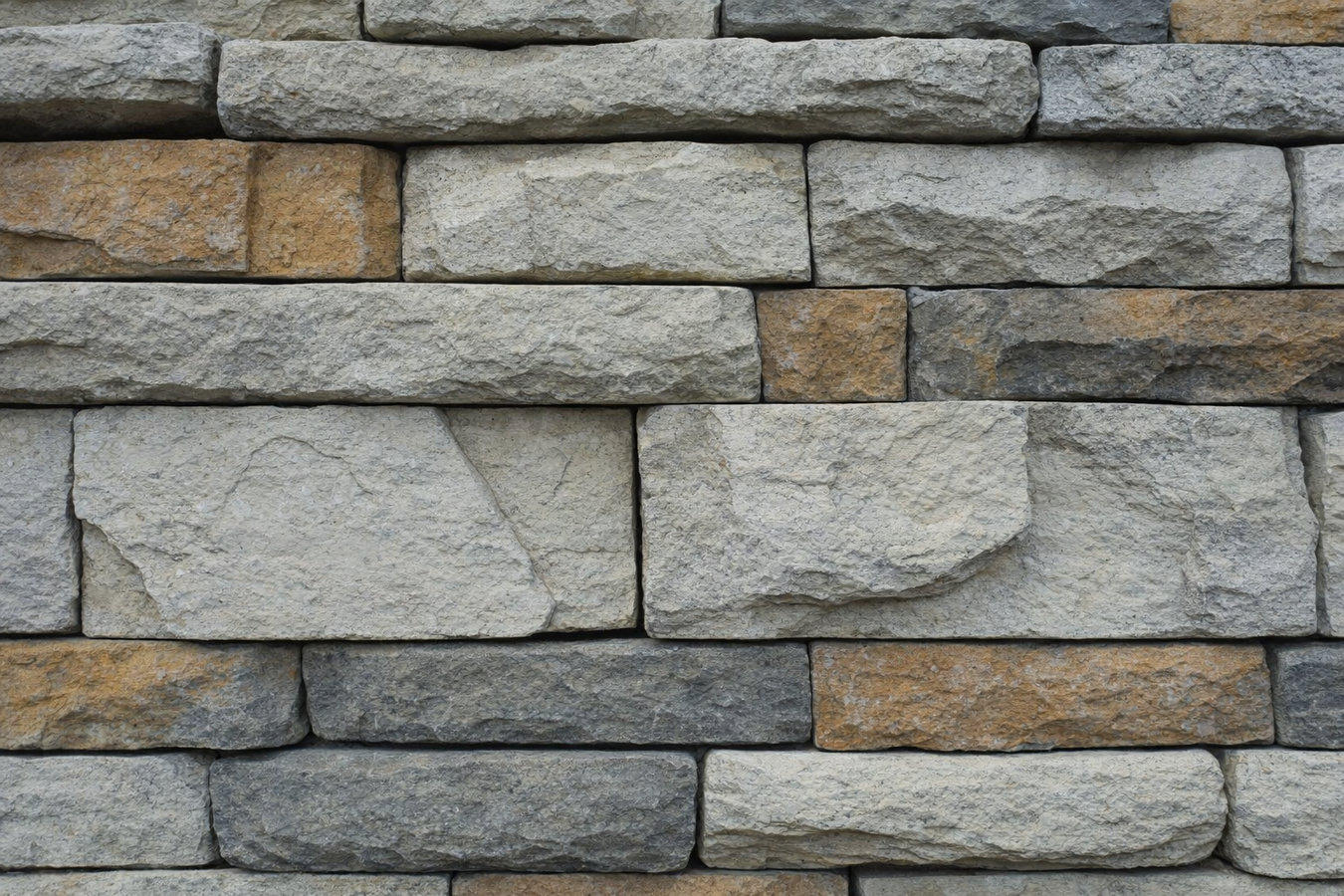
Crumbling mortar and cracked block walls only get worse through Lemon Grove winters. We restore your masonry before small problems become expensive rebuilds.
Masonry restoration in Lemon Grove means repairing and stabilizing existing brick, block, or stone surfaces - removing damaged mortar, patching cracks, and bringing walls back to solid condition without a full tear-down. Most residential jobs take one to five days depending on the size of the area involved.
Lemon Grove homeowners most often call us after spotting crumbling mortar on a block fence, stair-step cracks in a retaining wall, or white powdery stains on an older brick planter. These are signs that water is getting in, and the longer you wait, the more material you end up replacing rather than just repointing. If the damage extends to the structure itself, we may also recommend tuckpointing as a targeted follow-up to address specific mortar joint failures across larger wall sections.
The goal is always to catch problems before they reach the structural core of the wall. A modest repair now protects you from a much larger bill two or three years from now - especially in an area with clay soils and wet winters.
These are the warning signs Lemon Grove homeowners most commonly miss until the damage is already spreading.
Run your finger along the mortar lines between bricks or blocks. If the mortar feels soft, sandy, or flakes away with light pressure, it has lost its binding strength. This is the clearest sign that repointing is overdue, and it is very common on Lemon Grove homes built before 1980.
Cracks that travel diagonally across a block fence or retaining wall - especially in a stair-step pattern along the mortar joints - indicate the wall has been moving. In Lemon Grove, the clay-heavy soils expand in wet winters and shrink in dry summers, putting constant stress on block walls. A professional should assess it before the next rainy season.
That chalky residue on brick or block is called efflorescence - mineral salt left behind when water moves through masonry and evaporates. It is not dangerous on its own, but it is a reliable sign that water is entering your masonry somewhere. In Lemon Grove it often appears more after a wet winter and is worth addressing before deeper damage develops.
If you can see daylight through gaps in a wall or pieces of mortar have fallen out entirely, water and insects now have a direct path into the wall interior. This is past the early-warning stage. The longer those gaps stay open, the more material will need replacing rather than just repointing.
Our masonry restoration work covers the full range of what Lemon Grove homeowners typically need: repointing mortar joints on brick and block walls, crack repair on retaining walls and planters, efflorescence removal, and brick or block replacement where individual units have cracked or spalled. We also handle fireplace installation for homeowners who want to add or replace a firebox while we are already working on their masonry.
For walls that need more than surface repair, we assess whether the underlying structure - the footing, the core fill, or the drainage behind a retaining wall - is contributing to the damage. Repointing over a drainage problem just delays the next repair. We tell you what is actually going on and what needs to happen first.
Best suited for walls where mortar has deteriorated but the bricks or blocks themselves are still intact.
For retaining walls, block fences, and planters showing movement cracks that need to be sealed and reinforced.
For spots where individual units have cracked, spalled, or fallen out and need to be sourced and matched.
For walls with chronic staining that signals ongoing water movement through the masonry.
Lemon Grove was largely developed between the 1940s and 1970s, and many homes still have their original brick planters, block walls, and concrete retaining walls from that era. Masonry from that period used mortar formulas that have a natural lifespan of 25 to 50 years - meaning a lot of Lemon Grove homes are right at the age where repointing and restoration become necessary, even if nothing looks obviously wrong from the street. The wet-dry cycle of coastal San Diego winters and warm summers accelerates that aging by expanding and contracting mortar joints year after year.
Portions of the city also sit on clay-heavy soils that swell when wet and shrink when dry - a movement pattern that puts stress on block fences, retaining walls, and masonry foundations over time. We work regularly for homeowners in Spring Valley and El Cajon, where the same soil and housing-age conditions apply. A contractor familiar with East County conditions will factor soil movement into their repair approach rather than just patching the visible crack.
Call or fill out our contact form and we will get back to you within one business day. We ask a few basic questions about your wall type and what you are seeing so we can prepare for the visit.
We walk the area with you, check the mortar joints, look for cracks, and assess whether any bricks or blocks need full replacement. This is your chance to ask questions - we explain what we are seeing in plain terms.
The crew carefully grinds out damaged mortar, packs in fresh mortar matched to your existing color and profile, and works in sections so the repair blends in. The noisiest part is the grinding - the rest of the work is much quieter.
We clean up debris at the end of each day and remove all equipment when the job is complete. Before leaving for the last time, we walk the job with you and address anything that does not look right. Fresh mortar needs 24 to 48 hours before it can get wet.
Free on-site estimate. No pressure. We will tell you honestly what the wall needs.
(619) 378-2077We take the time to match the color and texture of your existing mortar so the finished work blends in rather than standing out as obvious patches. This matters especially on Lemon Grove homes with original 1950s and 1960s masonry, where off-the-shelf mortar rarely matches.
Clay-heavy soils in this part of San Diego County move with the seasons, and that movement affects how cracks form and how repairs should be approached. We have worked on enough East County retaining walls and block fences to recognize the difference between a drainage problem and a surface repair.
We give you a detailed written estimate after walking the site - not a rough phone quote that changes once work begins. That means you know the scope and cost before any crew shows up, and there are no surprises on the final invoice.
California requires a valid CSLB license for all masonry work, and you can verify ours yourself before signing anything. The Contractors State License Board website makes it easy to check any contractor license status in under a minute - something every Lemon Grove homeowner should do before hiring.
Masonry work done right the first time holds up for decades. We focus on giving you an honest assessment, a fair price, and a finished result that looks like it belongs on your home.
Add a new fireplace or replace an aging unit while your masonry contractor is already on site.
Learn MoreTargeted mortar joint repair for chimneys, brick walls, and block fences showing localized deterioration.
Learn MoreFall is the best time to repair before winter rains arrive - contact us today and we will assess your walls before the wet season.